
Egyptian biftek turns simple beef into something special—crunchy, golden, and hard to resist. These thin beef cutlets get marinated, breaded, then fried until the outside is crisp and the inside stays juicy.
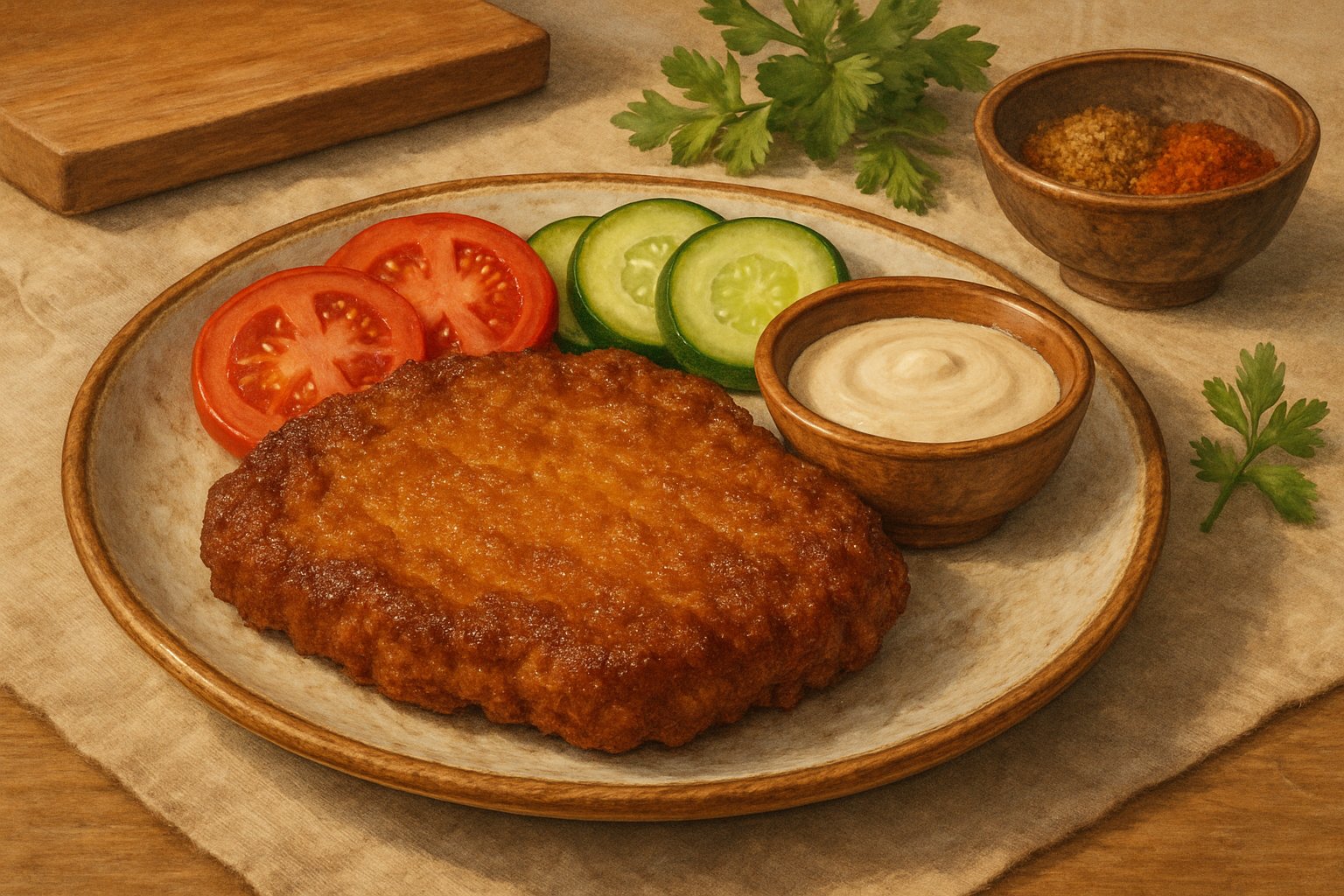
Biftek means thinly pounded beef steaks marinated in onion juice and spices, then coated in seasoned breadcrumbs and shallow-fried. It’s a homey dish that’s been around for generations, kind of like Egypt’s answer to schnitzel or chicken-fried steak.
You only need basic ingredients, but you do need to pay attention to details. Tenderizing the meat and nailing the frying temperature both matter a lot.
Key Takeaways
- Biftek is Egyptian-style breaded and fried beef with a crunchy crust and tender inside.
- Marinating with onion juice and careful breading are crucial.
- It goes great with rice, fries, or a fresh salad.
What Is Biftek (Egyptian Fried Steak)?
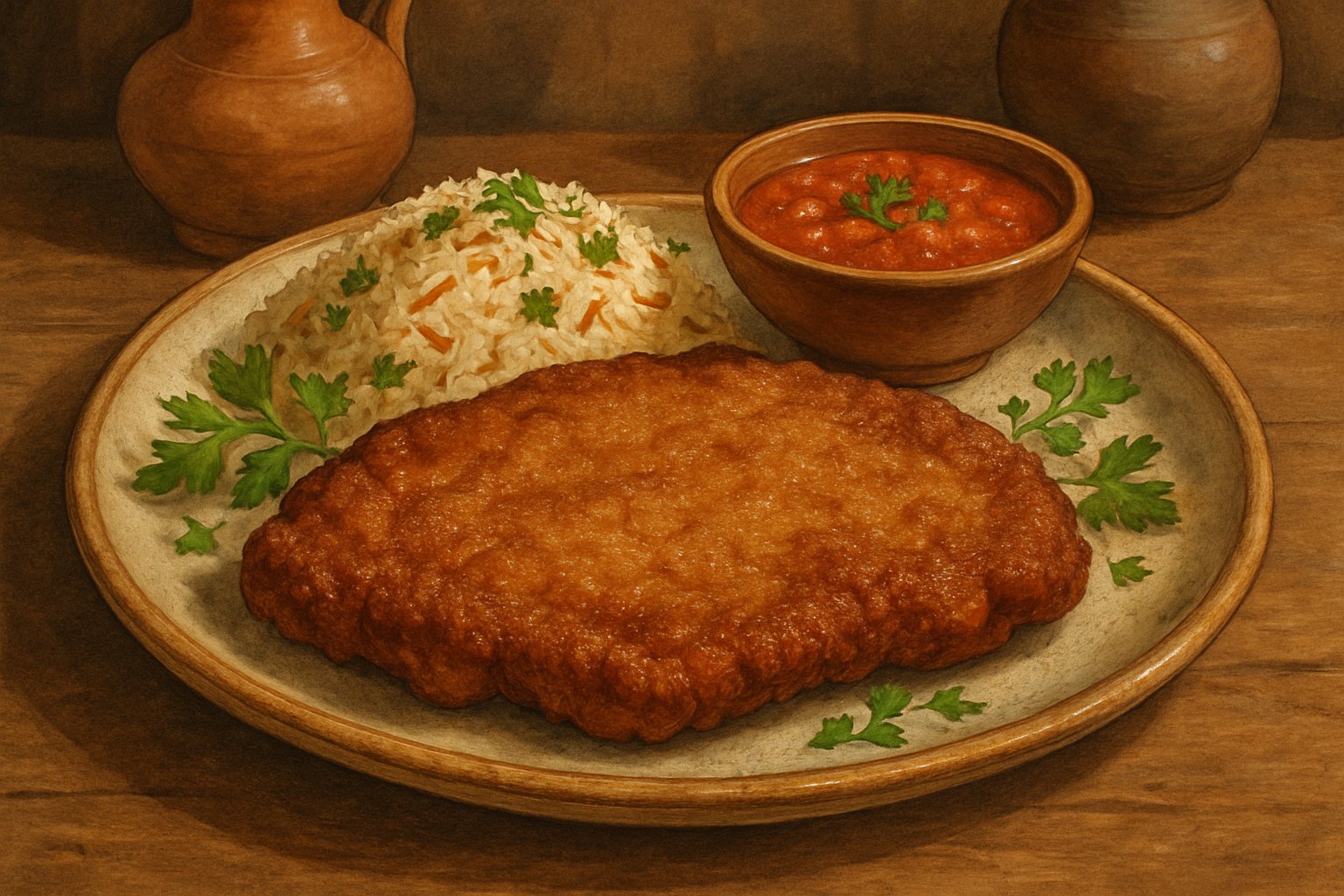
Biftek is a classic Egyptian dish made from thin beef slices that get marinated, breaded, and fried until golden. It’s a staple comfort food in Egypt, and the way it’s made stands apart from the typical Western fried steaks.
Origins and Cultural Significance
Biftek is woven into Egyptian home cooking traditions. It stirs up nostalgia for a lot of people.
Egyptians often make biftek for celebrations or special gatherings. The smell of frying steak is a sure sign of something festive.
The word “biftek” actually comes from French—“beefsteak.” Egypt’s culinary history has plenty of French influence, especially from the 19th and early 20th centuries.
In fancier Egyptian restaurants, you might see the dish called escalope. It’s really the same thing, just a different name.
Families usually hand down their biftek recipes. Each household tweaks the spices or the method, so everyone’s version tastes a little different.
Difference from Other Fried Steaks
Egyptian biftek stands out because of how it’s prepared. The beef gets pounded super thin.
Here’s what makes it different:
- Marinated in pureed onion juice.
- Slices are much thinner than Western fried steaks.
- The breading uses both flour and breadcrumbs.
- It’s shallow-fried, not deep-fried.
In the U.S., breaded steak often comes smothered in gravy. Egyptian biftek stays crispy—no heavy sauces.
The onion marinade really sets the flavor apart. It makes the meat tender and gives a gentle sweetness you don’t find in other fried steaks.
Popularity in Egyptian Cuisine
Biftek is a go-to comfort food in Egypt. People make it for family dinners or when guests come over.
You’ll find street vendors selling biftek all over. Restaurants of all kinds, from simple to fancy, put it on their menus.
Egyptians usually serve biftek with rice, fries, or a fresh salad. Some folks tuck it into sandwiches for a quick bite.
It’s especially popular during Ramadan for breaking the fast. The dish is filling and satisfying.
Kids love biftek for its crispy bite and mild flavor. Parents often make it as a treat for their little ones.
Traditional Ingredients for Authentic Biftek
You need the right meat, a punchy marinade, and a three-step breading process for real Egyptian biftek. Thin beef, onion juice, and a solid coating system are musts.
Essential Meats and Cuts
Eye of round roast is the top pick for authentic biftek. It’s lean and, when sliced thin, has just the right texture.
Slice the meat into fillets no more than ½ inch thick. Most cooks use a meat mallet to pound them even thinner.
Beef mock tender is a decent substitute. Both cuts get tender when marinated and pounded well.
Some folks use veal or chicken instead, but beef is the classic Egyptian choice.
Tougher cuts actually work better here because the onion juice does most of the tenderizing.
Key Marinade Components
Onion juice is the backbone of the biftek marinade. Blend up a few yellow onions and squeeze out the juice.
That juice breaks down the beef’s proteins, making it tender.
White vinegar sometimes joins the mix. Just a splash helps soften things up and adds a tiny bit of tang.
Don’t toss the leftover onion pulp. It’s great in an Egyptian-style salad on the side.
Give the meat at least 2 hours in the marinade. It needs time for the magic to happen.
Breaded Coating Ingredients
You’ll need three stations for the coating. Each one has its job for getting that crunchy finish.
Seasoned flour comes first:
- ½ cup all-purpose flour
- Ground coriander
- Paprika
- Salt and black pepper
Beaten eggs are next. Six eggs cover about 4 pounds of meat.
Breadcrumbs seal the deal. Use regular or panko—both work, though panko is a bit less traditional.
Dredge each piece in flour, dunk it in egg, then coat with breadcrumbs. Make sure the coating sticks—nobody wants it sliding off in the pan.
Popular Seasonings and Spices
Ground coriander goes in both the marinade and the coating. It gives a real Middle Eastern vibe.
Paprika brings color and just a hint of peppery flavor. Toss it in the flour and the marinade.
Sea salt and black pepper—can’t skip these. They boost everything else without overpowering.
Some recipes sneak in garlic powder for extra depth. Every family has its own “secret” addition.
Fresh parsley is more for garnish than flavor, but it does make the plate pop.
Spice amounts? Totally up to you—just don’t be shy with them.
Preparing and Tenderizing the Beef
If you want tender, flavorful biftek, you’ve got to prep and tenderize the beef right. These steps really make the dish.
Selecting and Slicing the Steak
Top round beef is a great choice. It’s lean and takes well to pounding. Mock tender works too.
Ask your butcher to slice the beef about 1/4 inch thick. Most Egyptian butchers know exactly what you want.
Cut against the grain, keep the thickness uniform, and trim off any big bits of fat or gristle.
Thin slices are crucial. Thick ones just don’t cook through or get tender enough.
Tenderizing Techniques
Grab a meat tenderizer hammer with the pointy side. It pokes tiny holes into the beef.
How to do it:
- Put the steak between plastic wrap.
- Pound gently but don’t go overboard.
- Work from the center out.
- Aim for a flat, even piece.
Pounding does two things: softens the meat and lets the marinade get deep inside.
After a couple of minutes, the steak should feel softer and look flatter. It’s worth the effort.
How to Marinate Egyptian Biftek Effectively
Onion juice is the star of the show here, and you’ve got to give it time to work. That’s how you get real Egyptian flavor.
Mixing the Marinade
Start with a big onion—blend it with a splash of water, then strain out the juice. That’s your base.
Add salt and black pepper—about a teaspoon of salt per pound of meat does the trick.
Pour in white vinegar (2-3 tablespoons per pound). It helps soften the beef.
A little garlic powder adds depth. Start with a teaspoon, but it’s up to your taste.
Mix everything in a glass bowl. You want the marinade to coat the meat, not drown it.
Marinating Time and Storage
Put the meat and marinade in a glass dish and cover it, or use a sealed container. Glass keeps things safe from weird reactions.
Stick it in the fridge for at least 4 hours. Thin slices pick up flavor fast.
If you can, marinate all day—8 to 12 hours is even better.
Don’t leave it out at room temp for more than half an hour. Thin meat plus marinade can go bad quickly.
Flip the meat halfway through if you’re marinating it for a long time.
Flavor Infusion Tips
Pound the beef super thin before marinating. It gives you more surface area for the flavors.
Score the meat lightly with a knife. Those little cuts help the marinade soak in.
Let the marinade come to room temperature—it works faster that way.
Massage the marinade into the meat with your hands. It helps the flavor get in there.
Pat the meat dry before breading, but don’t waste the extra marinade. A little bit under the breading adds more flavor.
Breading and Coating Methods
Getting that classic Egyptian biftek crunch means following the right breading steps. Good breadcrumbs and the right technique make all the difference.
Dredging Order and Technique
Here’s how it goes: dip the marinated steak in seasoned flour first. That helps the egg stick.
Next, dunk it in beaten eggs. The egg wash acts like glue for the breadcrumbs.
Press the steak into the breadcrumb mixture. Press down a bit so the crumbs really stick. Lay each piece out flat—don’t stack them.
- Use one hand for dry, one for wet.
- Pat steaks dry before you start.
- Work with one piece at a time.
Secrets for a Crispy Crust
Oil temperature is everything. Heat it to medium-high before you start frying. Too hot, and the coating burns before the inside cooks.
Season your breadcrumbs. A pinch of salt, pepper, and a little flour make the crust taste better and hold together.
Don’t crowd the pan. Fry 2-3 steaks at a time, tops. Flip once, when the bottom is golden.
Let the steaks drain on paper towels. That keeps them crispy, not soggy.
Choosing the Right Breadcrumbs
Fine breadcrumbs stick best to thin steaks and make an even crust. Coarse ones tend to fall off.
Store-bought breadcrumbs are easy and reliable. Go for plain—skip the ones with herbs or cheese.
Fresh breadcrumbs from day-old bread are even better. Pulse them fine in a food processor. They soak up less oil and stay crunchier.
Breadcrumb Choices:
- Fine store-bought: Quick and easy.
- Fresh homemade: Best crunch and flavor.
- Panko: Extra crispy, but not as traditional.
The Perfect Fry: Cooking Biftek to Perfection
If you want that golden, crispy finish, the right pan and oil temp are non-negotiable. The way you fry makes or breaks biftek.
Frying Pan vs. Cast Iron Skillet
Cast iron skillets just work better than regular frying pans for biftek. They hold heat evenly and stay hot, even when you throw cold meat on.
A 12-inch cast iron skillet gives you enough space for several pieces without crowding. That heavy metal helps you get better browning and a crispier coating.
Regular frying pans can do the job, but they lose heat fast. You’ll probably end up with uneven cooking and a less crispy result.
Cast iron benefits:
- Holds steady temperature
- Creates even browning
- Better heat distribution
- Less oil temperature drop
Non-stick pans? Skip those. They can’t handle the high heat you need for frying, and the coating might release chemicals if you crank up the temp.
Oil Temperature and Cooking Time
Heat oil to medium-high before adding the breaded meat. It should shimmer, not billow smoke.
Drop in a tiny breadcrumb to test—if it sizzles and floats, you’re good.
Fry each piece for about 3-4 minutes per side. Try not to flip more than once or the coating might fall right off.
| Temperature Sign | What It Means |
|---|---|
| Oil shimmers | Ready to fry |
| Breadcrumbs sizzle | Perfect heat |
| Heavy smoking | Too hot |
Aim for a golden-brown color on both sides. If it’s browning too quickly, dial the heat down a notch.
Take the pieces out when they hit a deep golden color. The inside should reach 145°F for safety.
How to Avoid Sogginess
Drain the fried beef on paper towels right after cooking. That pulls off extra oil and helps keep things crispy.
Don’t cover hot biftek or stack them up. Steam gets trapped and ruins the crunch.
Tips to prevent soggy coating:
- Pat meat dry before breading
- Press breadcrumbs on firmly
- Don’t overcrowd the pan
- Keep oil at the right temp
Serve biftek while it’s still hot. The coating is at its best in those first 10-15 minutes.
If you’re making a big batch, keep finished pieces warm in a 200°F oven on a wire rack. It works better than letting them sit on a plate.
Serving Suggestions and Traditional Sides
Biftek really shines next to simple Egyptian sides. Classic accompaniments like rice, fresh salads, and light garnishes balance out the rich fried steak.
Classic Garnishes and Accompaniments
Rice is the go-to base for biftek in Egyptian homes. Plain white rice soaks up all the flavors. Some families go for seasoned rice pilaf instead.
French fries are another classic. There’s something about that double crunch of potatoes and breaded steak.
Pasta works too, especially with just butter or a light tomato sauce. The starch cuts through the richness.
Common garnishes:
- Lemon wedges for a fresh kick
- Chopped parsley for color
- Pickled veggies for tang
- Hot sauce on the side
These extras make the dish pop but don’t drown out the beef.
Pairing Biftek with Egyptian Salads
Cucumber and tomato salad is a perfect, fresh match for fried biftek. The cool veggies cut the richness. Most people dress it with white vinegar and a pinch of salt.
Mixed green salad—lettuce, onions, peppers—brings crunch and a little nutrition. A light vinaigrette keeps it snappy.
Tahini-based salads go great with the meat. That creamy sesame flavor just works with crispy coatings.
Pickled turnip salad adds acidity and a splash of color. It’s a nice palate cleanser between bites.
Ideas for Modern Presentation
Individual plates look sharp for modern serving. Place the biftek off-center and arrange sides around it.
Colorful veggies like roasted bell peppers or grilled zucchini add some flair. Steam them lightly so they keep their color.
Sauce drizzles can make it feel restaurant-worthy. Garlic aioli, herb oil, or a light gravy all work.
Try a stacked presentation—steak over rice with salad around the edges. It adds some drama but keeps the flavors classic.
Variations and Expert Tips for Homemade Biftek
Getting biftek right at home means knowing your spices, adjusting for diets, and dodging common mistakes. A few expert tweaks can take it to the next level.
Alternative Spices and Marinades
Garlic powder adds depth to the onion juice marinade. Just a teaspoon mixed in will boost the flavor without overpowering it.
Paprika in the coating gives biftek a golden color and a hint of smokiness. Toss in 1-2 teaspoons with your flour.
Egyptian cooks often go for cumin and coriander in their spice blends. They’re warm, not spicy, and they really suit the beef.
Some families crush up bay leaves and add them to the marinade for extra aroma.
Swap in lemon juice for some of the onion juice if you want a brighter taste. A 2:1 ratio of onion to lemon juice works well.
Adjusting for Dietary Preferences
Chicken biftek uses the same method as beef. Pound chicken breasts to 1/4 inch and marinate for 2-3 hours.
Gluten-free biftek comes out great with almond flour or crushed cornflakes instead of breadcrumbs. Mix almond flour with regular flour for the coating.
For lower-fat cooking, use an air fryer at 375°F for 8-10 minutes. Spray both sides of the breaded meat with oil first.
Dairy-free? Skip the milk in the egg wash and just use beaten eggs.
Troubleshooting Common Mistakes
Thick steaks just don’t cook evenly. Always pound the meat to 1/4 inch or ask your butcher for help.
Soggy coating usually means your oil isn’t hot enough. Keep it at 350°F and avoid crowding the pan.
Dry meat comes from marinating too long or overcooking. Stick to 8 hours max for marinating and 3-4 minutes per side.
If the breading won’t stick, the meat’s probably too wet. Pat it dry before coating.
Uneven browning? Your oil’s too cool or the pan’s too full. Cook just 2-3 pieces at a time.
Frequently Asked Questions
Home cooks always have questions about making Egyptian biftek. From picking the right meat to nailing the crispy coating, there’s a lot to cover.
What are the traditional spices and herbs used in Egyptian Biftek?
Egyptian biftek sticks to simple, effective seasonings. Salt and black pepper are the basics. The real signature comes from onion juice, which works as both marinade and tenderizer.
Some cooks add garlic powder or paprika to the breading. But the onion marinade does most of the heavy lifting. Fresh onions get pureed and poured right over the meat.
The spices stay light so the beef’s flavor comes through. That’s a big difference from other Egyptian dishes like kofta, which are much more heavily spiced.
How does one achieve a crispy exterior when frying Biftek?
Crispy biftek depends on good breading technique. Dry the meat well with paper towels before you start.
Use a three-step breading: flour, then beaten eggs, then fine breadcrumbs. Press the breadcrumbs on really well.
Make sure the oil’s at 350°F before frying. Shallow frying gives you better control than deep frying.
Don’t crowd the pan—2 or 3 pieces at a time is plenty.
Can you provide a step-by-step guide for preparing a classic Biftek recipe?
Pound 1/2 pound of thin steak until it’s super flat—about 1/4 inch or less. Lay them in a glass dish.
Puree a large onion into liquid. Pour it over the meat and season with salt and pepper. Cover and chill for at least 4 hours, overnight if you can.
Set up three shallow dishes: one with flour, one with beaten eggs, and one with fine breadcrumbs mixed with a spoonful of flour.
Take each steak out of the marinade and pat it dry. Coat in flour, then egg, then breadcrumbs, pressing the coating on.
Heat oil to 350°F in a large skillet. Fry each piece for 2-3 minutes per side until golden. Drain on paper towels and serve.
What are the nutritional values, particularly calories, in a typical serving of Egyptian Biftek?
A typical serving of Egyptian biftek has about 300-400 calories. That’s for a 4-ounce beef portion, breaded and fried.
You get roughly 25-30 grams of protein per serving. Fat lands in the 15-20 gram range, thanks to frying. The breading adds about 10-15 grams of carbs.
If you use leaner beef, you’ll shave off a few calories. How much oil gets absorbed will change the final count, too.
How does the preparation of Biftek differ from that of other regional beef dishes like Lebanese Biftek or Spanish Biftek?
Egyptian biftek uses onion juice as the main marinade. Lebanese versions lean more on herbs like parsley and mint. Spanish biftek usually goes for wine or vinegar-based marinades.
Egyptian biftek is always thin and flat, while other styles sometimes use thicker cuts. The coating is just flour and breadcrumbs—simple and classic.
Lebanese biftek might include pine nuts or almonds in the coating. Spanish versions sometimes skip breading and just pan-fry the steaks.
The cooking stays pretty similar everywhere—high heat and quick frying.
What cuts of meat are most suitable for making an authentic Biftek dish?
Ribeye gives you the most tender and flavorful biftek. Its natural marbling keeps the meat juicy, even after you pound it thin.
Top sirloin is also a solid choice. It doesn’t have quite as much marbling, but it still works nicely.
I’d steer clear of tough cuts like chuck or round steak. Even with pounding and marinating, those tend to end up chewy.
Veal cutlets can work if you don’t mind the extra cost. They’re tasty, but honestly, beef is just as good for most folks.
Slice the meat very thin before pounding. If you can, ask your butcher to do this—makes life a lot easier.
Aim for no more than 1/4 inch thickness after pounding. Any thicker, and it just doesn’t cook the same.
Fresh meat beats frozen every time. Thawed meat sometimes gets mushy when you try to pound it out.
Look for cuts with minimal connective tissue. That way, you get that classic, tender biftek texture.
Related posts:
 Egyptian Fino Bread: Baking the Traditional Soft Rolls at Home
 Chicken Pane (Egyptian Schnitzel): Recipe, Origins, and Crispy Tips
 What Egyptian Mahshi Made Of? Explained
 Authentic Basbousa Recipe (Egyptian Semolina Cake) with Sweet Syrup Tips: A Complete Guide
 5 Iconic Egyptian Street Foods to Try (and How to Make Them at Home)


